International Day of the World’s Indigenous Peoples: The Struggle for Identity and Rights in Nepal Remains Incomplete
Every year on August 9, the International Day of the World’s Indigenous Peoples is celebrated across the globe. Proclaimed by the United Nations General Assembly in 1994, the day aims to raise awareness about the rights, identity, language, and cultural preservation of Indigenous peoples. Its origins trace back to 1992, following the UN’s declaration of the “International Year of the World’s Indigenous People.”
The primary objective of this day is to highlight the historical injustices, social discrimination, and violation of rights experienced by Indigenous communities and to promote discussions on these issues at both national and international levels. The United Nations views this day as an opportunity to encourage policymakers, governments, and civil society to commit to ensuring the rights of Indigenous peoples.
Status of Indigenous Peoples in Nepal:
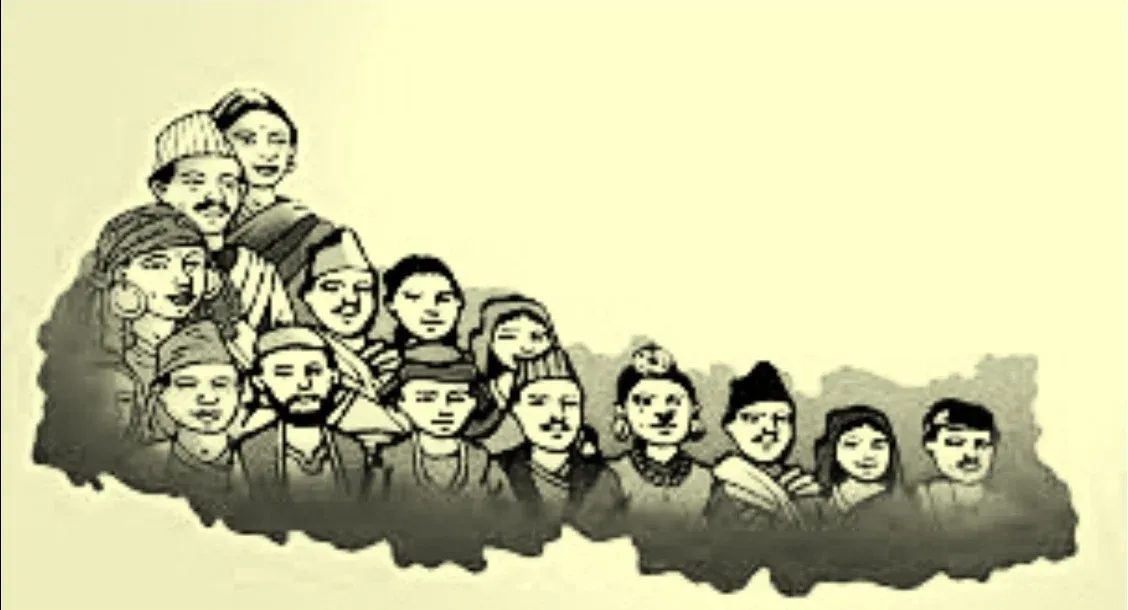
Nepal is home to a significant number of Indigenous nationalities. According to the 2011 census, the country has more than 125 ethnic groups, of which 59 communities are officially recognized as Indigenous nationalities. Despite their unique identities in terms of language, script, attire, art, and traditional knowledge, their participation in state structures remains limited.
Gaps persist in equal access to education, healthcare, employment, land ownership, and political representation. Many Indigenous settlements still lack basic infrastructure and services. While the government has programs for the preservation of languages and cultures, weak implementation has put several languages at risk of extinction.
Although the International Day of the World’s Indigenous Peoples helps bring Indigenous issues to the international stage, much remains to be done to ensure their rights in practice. In Nepal, events organized on this day contribute to raising awareness, but there is weak commitment when it comes to policy implementation and long-term planning.
Human rights experts have urged that this day should not be limited to celebrations but should be used as an avenue to incorporate the voices of Indigenous communities effectively into policymaking for real change.
The International Day of the World’s Indigenous Peoples provides an opportunity to spotlight the issues of identity and rights of Indigenous communities on the global stage. However, in Nepal and around the world, Indigenous peoples still have a long journey ahead in achieving equal rights, dignity, and opportunities.