
The Historical Legacy of Sudurpashchim: From Nagaraj to the Kings of Bajhang
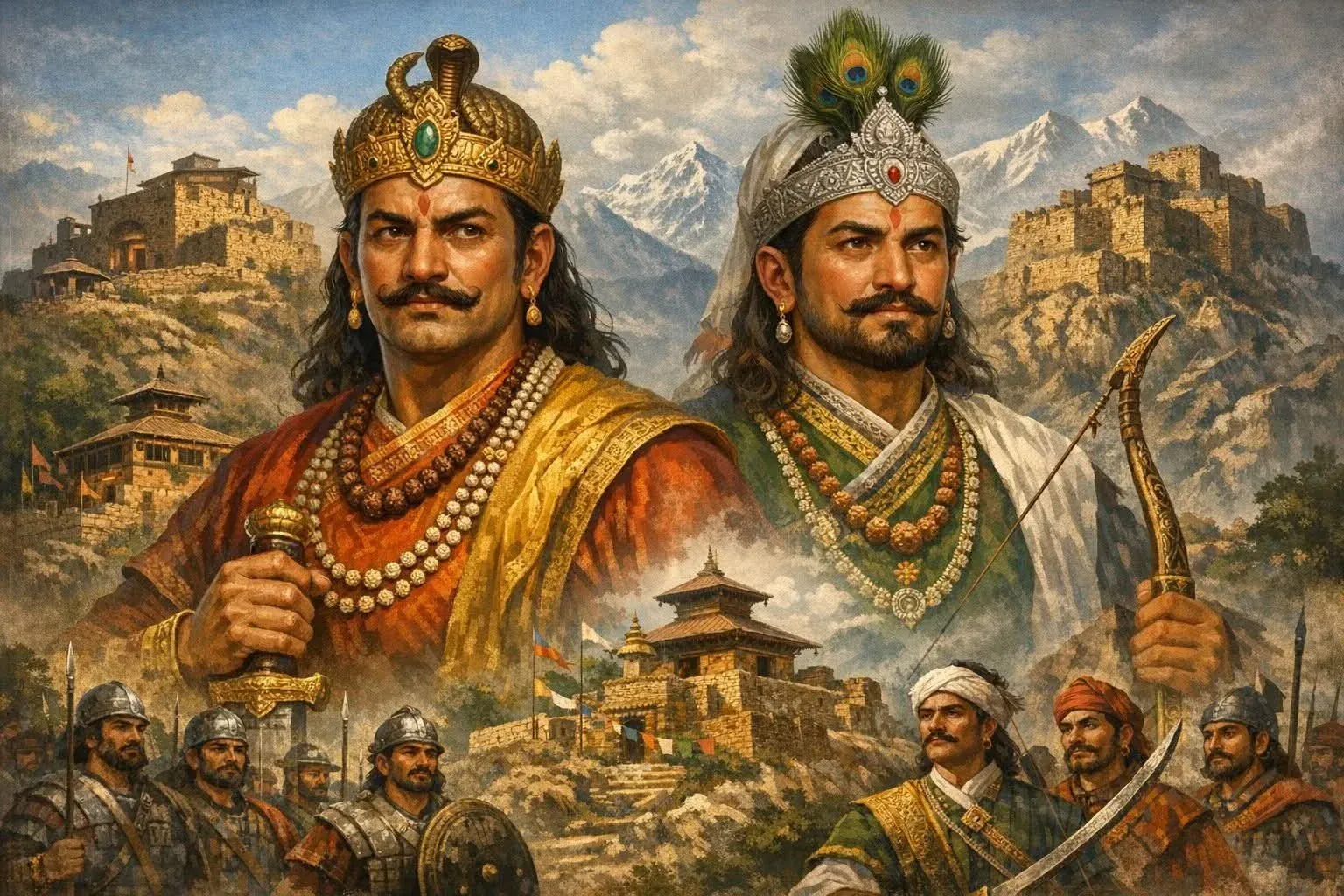

Dipesh Shrestha, Sudurpashchim occupies a distinctive place in Nepal’s history, shaped over centuries by two major ruling lineages that forged regional authority and cultural identity. Nagaraj (also known as Nag Malla), the founder of the Doti Kingdom, and the Suryavanshi kings of Bajhang stand out as central figures in the political and cultural evolution of the region.
Nagaraj (Nag Malla) entered Sudurpashchim around the 13th century and laid the foundations of the Doti Kingdom. He was not merely a ruler but a pioneering state-builder who established the first organized administrative system in the region. At its height, the Doti Kingdom extended its influence across present-day Doti, Achham, Bajura, Bajhang, Baitadi, and Darchula. By incorporating local chieftains into a centralized system of governance, safeguarding religious sites, and promoting shared cultural practices, Nagaraj played a decisive role in shaping Sudurpashchim as a cohesive cultural and political entity.
The rule of the Nag Malla dynasty continued for several centuries, during which the Doti Kingdom maintained diplomatic relations with Karnali, Kumaon, and Garhwal. Through these engagements, the kingdom expanded and consolidated its influence across western Nepal, reinforcing Sudurpashchim’s role as a significant regional power.
Alongside Doti, the Suryavanshi kings of Bajhang—often referred to as the Bajhangi kings—emerged as key custodians of regional authority and local self-rule. The Bajhang Kingdom skillfully used its rugged and remote geography as a natural defense, while focusing on the preservation of indigenous administration, traditions, and cultural practices. Relations between the Doti and Bajhang states alternated between rivalry and cooperation, reflecting a dynamic balance of power in the region.
In the 18th century, the Gorkha unification campaign reached Sudurpashchim, leading to the gradual incorporation of both Doti and Bajhang into the expanding Gorkha state. This marked the end of their independent rule. Nevertheless, the historical contributions of Nagaraj and the Bajhangi kings continue to resonate, deeply embedded in the cultural memory and historical identity of Sudurpashchim.
According to historians, Nagaraj (Nag Malla) stands as the first architect of an organized state in Sudurpashchim, while the Bajhangi Chandra kings are remembered as staunch defenders of local self-governance. Together, their legacies have made Sudurpashchim politically, culturally, and historically distinctive within Nepal.
For anyone seeking to understand the history of Sudurpashchim, studying the narrative from Nagaraj to the Bajhangi kings is essential, as it offers a comprehensive picture of regional identity formation and early state-building in western Nepal.