🇳🇵 Nepal’s Political History After 2046 BS: A Historic Document
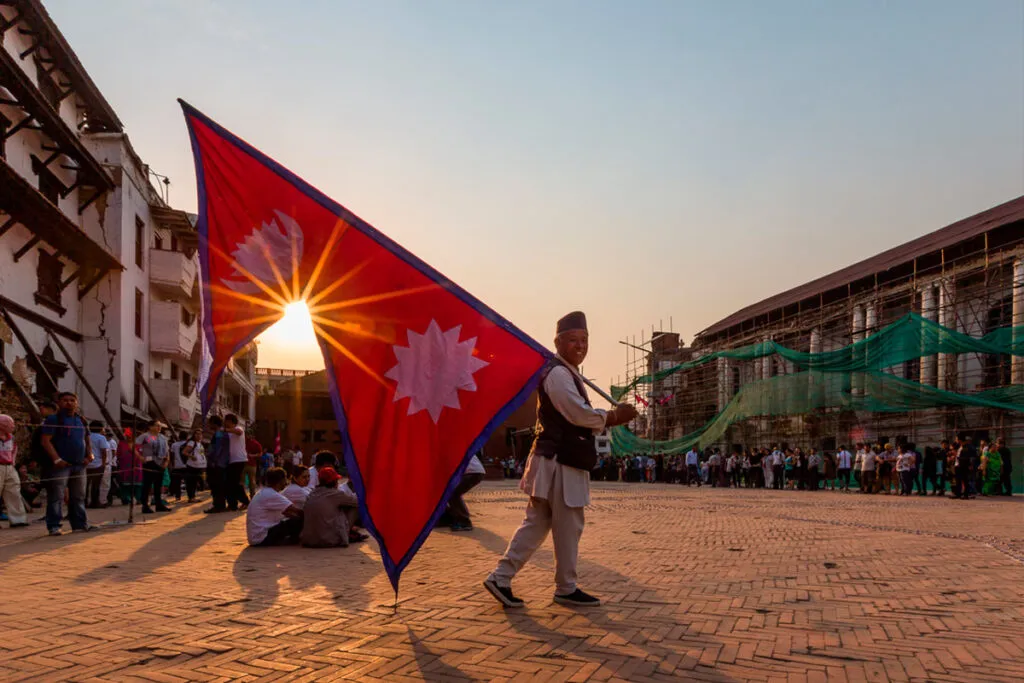

Dipesh Shrestha, Nepal : With the People’s Movement of 2046 BS, Nepal witnessed a major political transformation. The movement ended the 30-year-long Panchayat regime and reinstated multi-party democracy along with a constitutional monarchy.
Following this political shift, a new constitution (Constitution of 2047 BS) was promulgated. This led to a series of prime ministers from various political parties taking leadership and initiating notable developments and reforms across the country.
Major Prime Ministers and Their Contributions:
Krishna Prasad Bhattarai (Nepali Congress) – 2047 to 2048 BS:
Oversaw the organization of the first parliamentary election and implemented the new constitution. His tenure is remembered for the successful conduction of democratic elections.
Girija Prasad Koirala (Nepali Congress) – 2048 to 2051 BS and again from 2058 to 2064 BS:
Focused on national reconstruction during his early term. In his later tenure, he initiated the peace process with the Maoists, leading to the 12-point agreement in 2062 BS and its culmination in 2063 BS.
Man Mohan Adhikari (CPN-UML) – 2051 to 2052 BS:
Introduced the social security allowance for senior citizens, a pro-poor policy still in effect today.
Lokendra Bahadur Chand (Rastriya Prajatantra Party) – 2052 BS and again from 2060 to 2061 BS:
Though lacking notable public-oriented policies, he attempted to manage political instability.
Sher Bahadur Deuba (Nepali Congress) – Four terms: 2052–2054, 2058–2059, 2074, and 2078–2079 BS:
Known for managing vaccine distribution during the COVID-19 pandemic and endorsing the MCC agreement. Other major reforms are limited during his tenure.
Sushil Koirala (Nepali Congress) – 2070 to 2072 BS:
Successfully promulgated the new Constitution of Nepal (2072 BS).
K.P. Sharma Oli (CPN-UML) – 2072–2073 and 2074–2078 BS:
Focused on visible development projects like the Melamchi Water Supply and road infrastructure. His government published the new map of Nepal and emphasized nationalism and vaccine diplomacy during the pandemic.
Pushpa Kamal Dahal “Prachanda” (CPN-Maoist) – 2065, 2072–2073, and 2079 BS:
Recognized for leading the peace process, drafting the Interim Constitution, and ending the Maoist armed conflict. His leadership marked the transition of Maoists into mainstream politics.
Dr. Baburam Bhattarai (CPN-Maoist) – 2068 to 2070 BS:
Focused on reforms in education, health, and planning. Promoted a scientific budget policy and emphasized modernization and development.
Major Political Changes Since 2046 BS (Bulleted Highlights):
Promulgation of two Constitutions: 2047 and 2072 BS
Transformation from monarchy to republic
Implementation of a federal system with seven provinces
Conclusion of the Maoist insurgency and integration into mainstream politics
33% women’s participation ensured in governance
Constitutional recognition of Dalit, Indigenous, and Madhesi rights.
Conclusion:
Since 2046 BS, Nepal and its people have witnessed historic political transformations. Structural changes such as democracy, republicanism, and federalism have contributed significantly to the enhancement of civil rights. However, political stability and good governance remain major challenges.