Seeing the State of the Nation, the People Must Speak Out…

“Especially, entrusting national leadership to priestly Brahmins was a major mistake by citizens”—this opinion may resonate with many.
This perspective suggests that the country has suffered due to the failure to entrust leadership responsibilities to the right individuals. However, to fully understand and respond to this issue, all aspects must be considered.
The Importance of Competence in Leadership
According to citizens: “Responsibilities should be given based on individuals’ abilities, but it was the citizens’ fault to forcibly entrust leadership to the incapable.” This principle is valid. National leadership must be given to those who possess the competence and vision to bear that responsibility.
But in reality, handing leadership to those lacking in capability has hindered national development. This could be the result of a collective failure in judgment and awareness by the public, the consequences of which we are experiencing today.
A Serious Reflection on Caste Monopoly in Leadership
The blame targeted at priestly Brahmin leaders is part of a longstanding debate in Nepalese society. Many observe the dominance of the Brahmin community in leadership roles and accuse them of prioritizing their own caste. This holds some truth, as historically, this group has had better access to power and opportunities.
Responsibility Lies With All Groups
It is not just the Brahmin community that has held leadership. People from other castes, languages, religions, and cultures have also had opportunities. Unfortunately, they too have failed to lead the nation effectively.
Whoever rises to leadership tends to prioritize their own community, ignoring the broader interests of the nation. Therefore, the problem does not lie solely in one community, but in the overall process of leadership selection and its functioning.
The Path to Solutions:
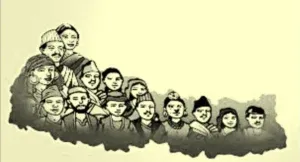
Blaming a single caste will not fix the country’s condition. Nepal is a diverse society, and this diversity must be harnessed as a strength.
1. Cooperation:
People of all castes, languages, religions, and cultures must work together to advance the country.
2. Competency-Based Leadership:
Responsibilities should be assigned based on individual talent and competence, not caste or access. For example, honest individuals like Kulman Ghising, Sanduk Ruit, Harka Sampang, and Gambu Sherpa have set great examples.
3. Equal Prioritization:
Being Brahmin or priestly is not inherently bad. In fact, due to certain Hindu religious traditions, even they are sometimes restricted from playing full leadership roles. However, those who reach leadership positions must prioritize national interest above their own community.
Yes, the public must speak out seeing the current condition of the country, and the issues raised by citizens are valid. While there may be some truth in the claim that giving leadership to priestly Brahmins was a mistake, this issue is not confined to just one community. Everyone must acknowledge their part in the failure and move forward together. Only by engaging in inclusive and solution-oriented debates can we improve the nation’s situation.
Topic: Hinduism and Outdated Ritual Practices
Some traditional Hindu practices are associated with inhumane treatment and social inequalities, particularly towards women, which are serious and deserve reflection. These practices impact society culturally, socially, and gender-wise, and reviewing and reforming them is necessary in today’s context.
Key Practices Analyzed:
1. Restriction on Eating Chicken Meat:
This tradition is linked to religious purity, but it restricts personal freedom and nutritional needs. Especially in rural areas where nutrition is lacking, such rules can negatively impact health. Since this rule does not apply equally to everyone and affects specific communities or genders more, it becomes an issue of gender and social inequality.
2. Widowhood Rituals – Wearing White & Other Restrictions:
This practice targets widows, socially and psychologically isolating them. The prohibition on wearing colorful clothes or ornaments, and exclusion from social events, severely impacts their dignity and freedom. Since these rules are not imposed on men, it reflects clear gender discrimination.
3. Head Shaving during Mourning Rituals:
Although primarily followed by men, this ritual indirectly pressures family members, especially women. It interferes with personal autonomy and is questionable in a modern society.
4. Sprinkling or Drinking Feet-Washed Water:
This practice, often rooted in religious faith, is problematic in terms of hygiene and personal dignity. It especially humiliates women and places more pressure on them in such practices.
Serious Concerns:
Gender Inequality:
These rituals impose stricter restrictions on women compared to men. Social pressure on widows, clothing and lifestyle restrictions, and other traditional rules violate women’s freedom and dignity.
Mental and Social Impact:
Such practices socially isolate women, leading to psychological issues. For example, the constant imposition of wearing white may reinforce feelings of mourning and alienation in widows.
Incompatibility with Modern Values:
These practices contradict modern principles of human rights, gender equality, and scientific awareness. They challenge standards of hygiene, personal freedom, and equality.
The Need for Reform:
To eliminate or reinterpret these rituals, society must promote awareness, religious leaders must engage, and legal interventions should be enacted.
1. Education and Awareness:
Community-level discussions and awareness campaigns should highlight the negative impacts of such practices. Involving religious leaders can help reinterpret these practices in a modern context.
2. Legal Intervention:
Laws that prioritize gender equality and human rights must address and eliminate such inhumane practices.
3. Social Campaigns:
Campaigns must be launched to empower women and provide alternatives to traditional rules. For example, providing financial and social support to widows.
4. Reinterpreting Religion and Culture:
Religious scriptures and traditions should be re-examined and interpreted by scholars in line with modern values. These practices are deeply rooted, but change is possible.
@Mr : Dawa Sherpa