Anemia Becoming a Long-Term Health Crisis in South Asia


Over 18 million women and girls could be affected by 2030 without immediate action
Anemia is emerging as a long-term health crisis in South Asia. Currently, nearly half of the adolescent girls and women of reproductive age in the region suffer from anemia. Experts warn that if immediate and concrete action is not taken, an additional 18 million girls and women could be affected by 2030. In response to this looming challenge, seven South Asian countries have come together for the first time in a coordinated effort.
From July 9–11, a regional conference titled “Nourishing South Asia – Reducing Anemia in Adolescent Girls and Women” is being held in Colombo, Sri Lanka, in collaboration with SAARC, the Government of Sri Lanka, UNICEF, the World Health Organization (WHO), and other partner organizations. According to WHO, the conference aims to unite policymakers, experts, researchers, and development partners to develop a common strategy and action plan.
The Long-Term Challenge of Anemia for Health and Equality
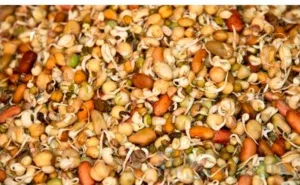
Anemia occurs when the body lacks enough healthy red blood cells, leading to reduced oxygen supply. Its effects are severe—causing fatigue, weakness, and hindering education and employment. It also increases maternal and neonatal mortality rates. Women and girls are particularly vulnerable due to menstruation, malnutrition, and infections.
At the opening of the conference, Sri Lanka’s Prime Minister Dr. Harini Amarasuriya said, “In our country, 18.5% of women of reproductive age and 14.6% of children under five suffer from anemia. We are committed to fighting this crisis.” She pledged to strengthen collaboration with UNICEF, WHO, and other partners.
A Social Crisis Beyond Just a Health Problem
UNICEF’s Regional Director for South Asia, Sanjay Wijesekera, stated, “This is not just a health problem, but a sign of systemic failure. We know what needs to be done—governments must now take the lead.” According to him, the fact that half of the adolescent girls and women are anemic is a serious warning that affects education, employment, and overall human development.
WHO’s Director for the South-East Asia Region, Saima Wazed, noted that anemia is preventable. “The roots of the problem run deep—linked to poor nutrition, iron deficiency, infections, and chronic illnesses. What we need now is an evidence-based, inclusive, and strategic approach,” she emphasized.
Some Hope Seen in Countries Like Nepal
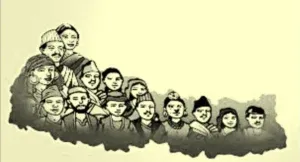
While anemia rates have largely remained steady across South Asia, countries like Nepal have shown promising signs by empowering frontline health workers. However, challenges remain due to inadequate health infrastructure, lack of data, and limited services for poor and marginalized communities.
Launch of the South Asia Anemia Academic Alliance
To advance anemia research, the South Asia Anemia Academic Alliance was launched during the conference. This alliance is expected to integrate scientific leadership and help devise long-term solutions.
SAARC Secretary General Mohammad Golam Sarwar said, “Our young women and mothers are at the heart of the demographic dividend. Investing in their health, nutrition, and empowerment is an investment in our future.”
Experts warn that without decisive and coordinated action now, anemia could become a full-blown epidemic in South Asia. It is not only a health issue but also a matter of gender inequality, social injustice, and a major hindrance to development. According to a WHO statement, the outcomes and action plan of the conference could present a historic opportunity to reduce anemia among women and girls in South Asia by 2030.