Nepal Introduces Law on Conflict of Interest for the First Time
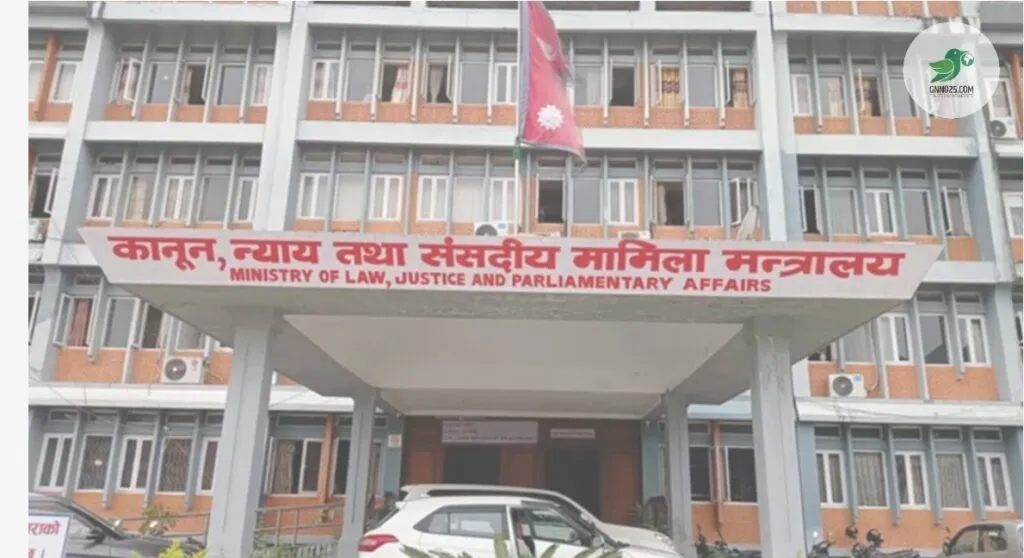

For the first time in Nepal, a legal process has been initiated to address the issue of conflict of interest. The Council of Ministers has made public the draft bill on the management of conflict of interest, which includes provisions preventing public officials from participating in decision-making processes where personal interest is involved.
The draft bill has been published on the official website of the Council of Ministers, through which the government has informed the public about the proposed law. This is the first step toward formulating a law specifically on conflict of interest in Nepal.
According to the draft bill, any public official appointed or nominated to a body in which they have a personal interest must disclose that information. The bill states: “Private interest refers to interests outside of public benefit or concern. This includes the personal, professional, or business interests of the public official or their family members.”
The bill defines “family” to include the spouse, father, mother, son, daughter, elder and younger brothers, sisters, grandchildren, grandfather, uncle, aunt, maternal uncle, father-in-law, brother-in-law, and sister-in-law of the public official, including the spouses and children of such relatives.
A public official is defined as anyone, whether paid or unpaid, who has been appointed or nominated in a permanent, temporary, or any other capacity to a position with public authority as per the constitution or law. This includes the President, Prime Minister, ministers, members of provincial governments, local governments, parliamentarians, and civil servants.
The draft bill prohibits such public officials from participating in any decision-making process where they have a conflict of interest. It also includes a provision to invalidate decisions made by officials with such conflicts.
Furthermore, public officials are prohibited from accepting gifts while in office. If any gifts are received, they must be submitted to the concerned public institution. Failure to do so may result in legal action, including the recovery of the gift’s value as damages.
The bill also prohibits public officials from engaging in significant transactions with the public entity they are associated with.
At present, this bill is in its preliminary phase. The Council of Ministers has not yet approved it for registration in the Parliament. It will undergo further detailed discussion within the Cabinet. Once approved by the Cabinet, the bill will be submitted to the Parliament. After being passed by the Parliament and certified by the President, it will become law. It is currently uncertain when the bill will be enacted.