“From Poverty to Self-Reliance: Sarmila’s Tears, Struggles, and Triumph”
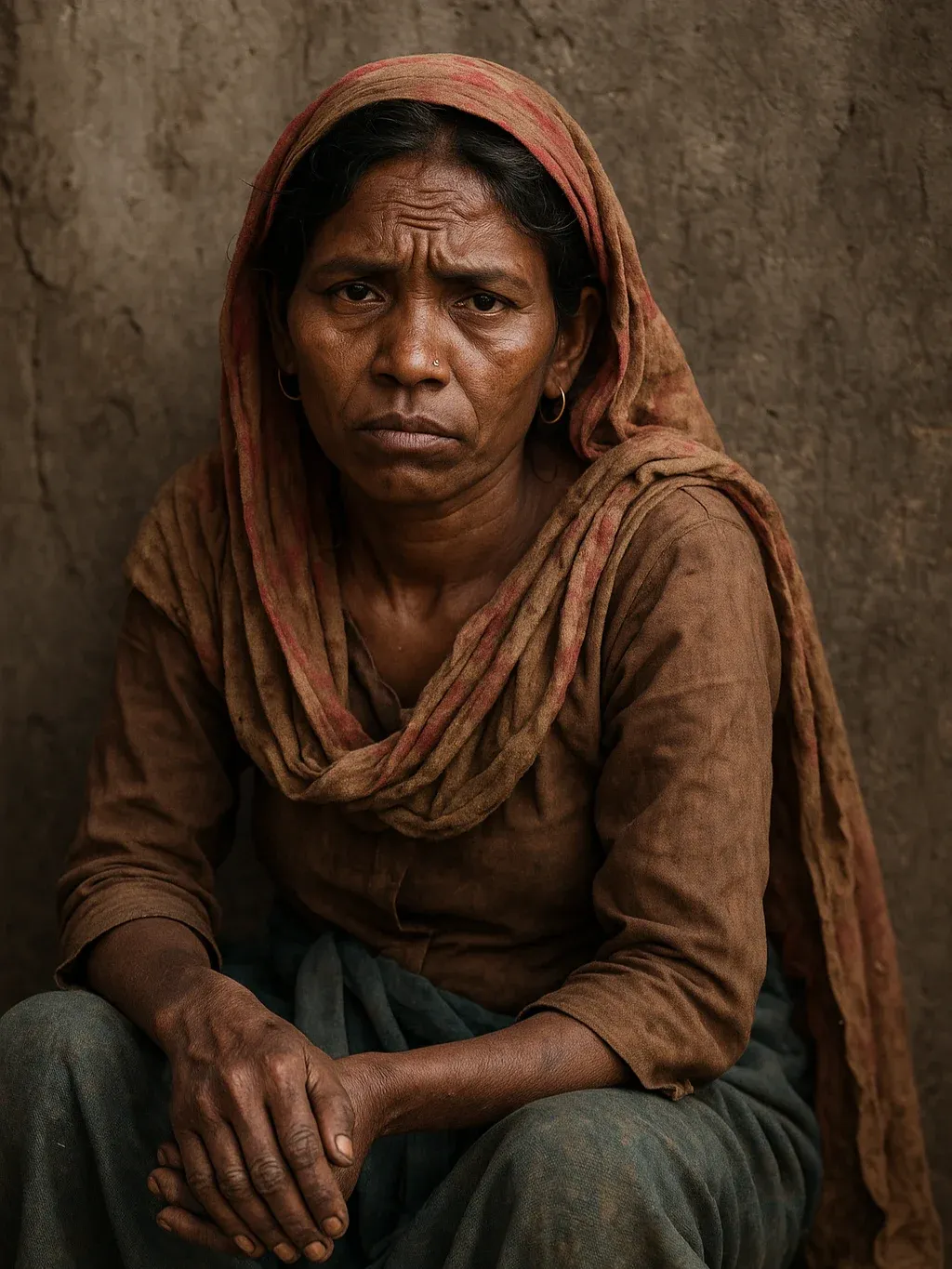

Western region of Nepal, In a small village of Dang, wrapped in morning fog and dust carried by the wind, stood a tiny hut. It was there that Sarmila Shrestha (fictional name) was born. At just five years old, her world turned gray when her mother bid farewell to life forever. Her father struggled as a daily wage laborer to raise his two daughters, but for this family, having a full meal felt like a festival.
Sarmila’s childhood was filled less with toys and more with sacks on her back, harvesting paddy, and scrubbing dishes in wealthy villagers’ homes. Going to school was a luxury she could only dream of.
Sarmila recalls:
“Childhood was just work. Sometimes while playing, I’d hear my father’s voice, ‘Daughter, fetch water. We’ll need it for tomorrow’s meal.’ Back then, hunger mattered more than toys.”
By the age of 12, Sarmila had to drop out of school. With her mother gone and her father’s health deteriorating, farm labor became her daily routine. Villagers often said:
“Sarmila is a worker at heart; though young, she’s as strong as an adult.”
At 15, an acquaintance from the village approached her family with an idea:
“Life is easier in the city. You can earn money. Everything changes there.”
These words struck Sarmila deeply. Poverty had already taught her courage. She told herself:
“If I stay in the village, I’ll die hungry. At least in the city, I can try.”
Leaving the village wasn’t easy, but fear of hunger and the hope of a better future pushed her forward. She set off for the city with her village brother.
Her first night in the capital was spent shivering on an open rooftop. That was when she realized: the city’s dreams were far harsher than the village’s struggles.
She found a job washing dishes in a hotel, waking up at 5 AM and working until 11 PM. Her monthly salary was just 3,500 rupees, barely enough to pay rent and eat.
Sarmila says:
“After coming to the city, I understood—life isn’t easy for the poor here either. Sometimes hunger made me cry. But I’d wipe my tears and get back to work the next day.”
Tired of dishwashing, she searched for a better job and landed work at a clothing store. But there, too, life wasn’t easy—the owner’s scolding, arrogant customers, and endless struggles became her new normal.
By the age of 18, she made a big decision:
“I have to live on my own strength, not someone else’s.”
With a small loan from her village, she set up a tiny clothing stall in Tripureshwor. The first month brought nothing but losses. People mocked her:
“What can she do? She’s just a kid; the shop won’t survive.”
But Sarmila didn’t give up. She worked from 6 AM to 10 PM every day.
“Even when customers didn’t buy anything, I never stopped smiling. I realized—to build trust, you need patience.”
Three years later, her shop gained recognition. Today, she owns a small boutique and employs two women.
Stories like Sarmila’s are not rare in Nepal. According to national data, 38% of rural Nepali girls drop out of school before 16, and more than 25% are forced into labor during childhood. Among women entrepreneurs, 60% struggle to access financial support. Sarmila’s journey is a living example of these statistics.
She remains an ordinary woman, but her story is extraordinary.
“No matter how hard life gets, giving up isn’t an option. I want the girls in my village to never face the pain I did.”
Sarmila is now planning to return to her village to open a women’s skill training center and may begin this work within a few months.
Her story is not just a personal struggle—it’s the voice of thousands of Nepali women. It’s proof that even amidst poverty, hardship, and tears, self-reliance is possible. As Sarmila says:
“If you want to win in life, all you need is courage and persistence. That’s what my life has taught me.” – Sarmila
Image sourced via AI; Story conceptualized by: Dipesh Shrestha