Let the revolution be like the Plough Revolution
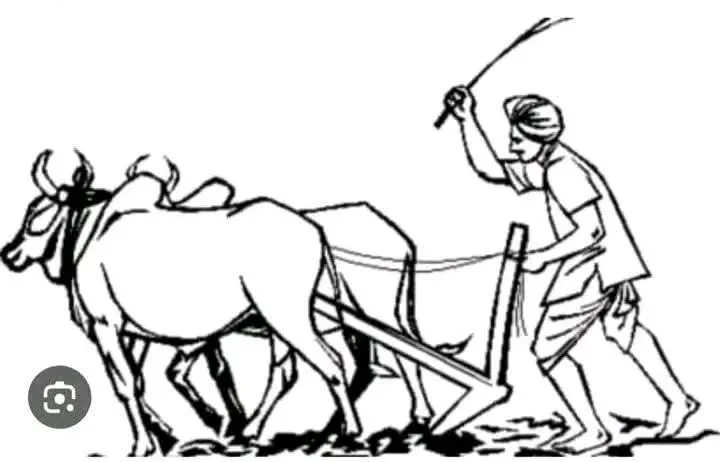

To break the superstitions upheld by the Bahun community, it was the enlightened and civilized Bahuns themselves who took the lead. The story dates back to the 11th of Shrawan, 2006 B.S., when in Dura Danda of Lamjung district, 27 Bahuns began ploughing the fields, marking the start of the “Plough Revolution.” At that time, the country was under the autocratic and aristocratic hereditary Rana regime, with Mohan Shumsher Rana serving as the then Prime Minister—regarded as a political ‘tiger’ of that era.
In those days, the Ranas, landlords, tax-collectors, village heads, priests, and religious scholars were seen and known by the public as feudal exploiters. From the time of Jung Bahadur Rana to the final Rana Prime Minister Mohan Shumsher, it was clear that the Rana regime was sustained largely under the influence of the Bahuns. The Bahuns blessed the Ranas, served them, and advised them, and the Ranas—acting on such advice—enforced caste-based, religious, gender, social, and labor discrimination, oppressing and exploiting the people under their feudal rule.
It should be remembered that when Jayasthiti Malla brought four Bahuns from India and introduced the so-called Manu doctrine in Nepal, the roots of caste-based discrimination began—an entrenched social evil under Hindu Bahun practices. From then on, rulers and the royal court were run according to the dictates of Bahun orthodoxy, which is why Nepal could not escape its primitive, feudal state even to the present day. Over time, various regressive practices—originating from Hindu Bahun orthodoxy—became established as social customs, such as sati, caste discrimination, religious discrimination, gender discrimination, labor discrimination, and the belief that Bahuns should not work the fields or that women should not plough.
It was against such beliefs that educated and civilized Bahuns began their resistance. One such regressive belief was that Bahuns must not plough the land—but they could, ironically, eat the crops grown by others. To challenge this, on the 11th of Shrawan, 2006 B.S., in Dura Danda, Lamjung, under the leadership of Pandit Toyanath Adhikari, 27 Bahuns together took up the plough, breaking the taboo and opposing Hindu Bahun orthodoxy. At the time, this was considered a major revolution.
If a Bahun ploughed, orthodox Bahuns would refuse to eat food touched by him, and his sons or daughters would be socially boycotted—even marriage alliances were denied. Those 27 Bahuns who ploughed the fields faced severe social discrimination, even imprisonment. They were labeled as “Dalit-like” for touching the plough—an object traditionally used by lower castes.
This mindset—that those who work for their living are ‘low’ or ‘Dalit,’ while those who avoid work are of a ‘higher caste’—is one of the main reasons Nepal is regarded as a poor nation globally. Because of this system, skilled and hardworking people, instead of being respected, have been forced to migrate abroad, renouncing their Nepali citizenship. Meanwhile, lazy exploiters—living off others’ labor in the name of religion—are regarded as high caste.
The truth is, those who earn by working honestly and think rightly are the truly great people. Those so-called high-caste individuals who exploit others’ labor without working themselves are, in reality, base and petty. Even in the 21st century, I have heard people say that “Bahuns should not work for their living.” If Bahuns don’t work but live off others, then they are exploiters. But if Bahuns work and earn their livelihood, they are indeed great individuals.
In conclusion, I say this: until great and civilized Bahuns like Pandit Toyanath Adhikari—who led 27 Bahuns in breaking the taboo and starting the Plough Revolution—are born in this nation, the country will never truly progress. Let us strive to become Bahuns like Pandit Toyanath Adhikari—civilized and just—rather than ignorant, uncivilized so-called high-caste Bahuns who enforce caste, religious, gender, and labor discrimination. My opposition is not to Bahuns or to Hinduism, but only to the regressive customs that have arisen from them.