Nepal’s Muslim Community Deserves Representation
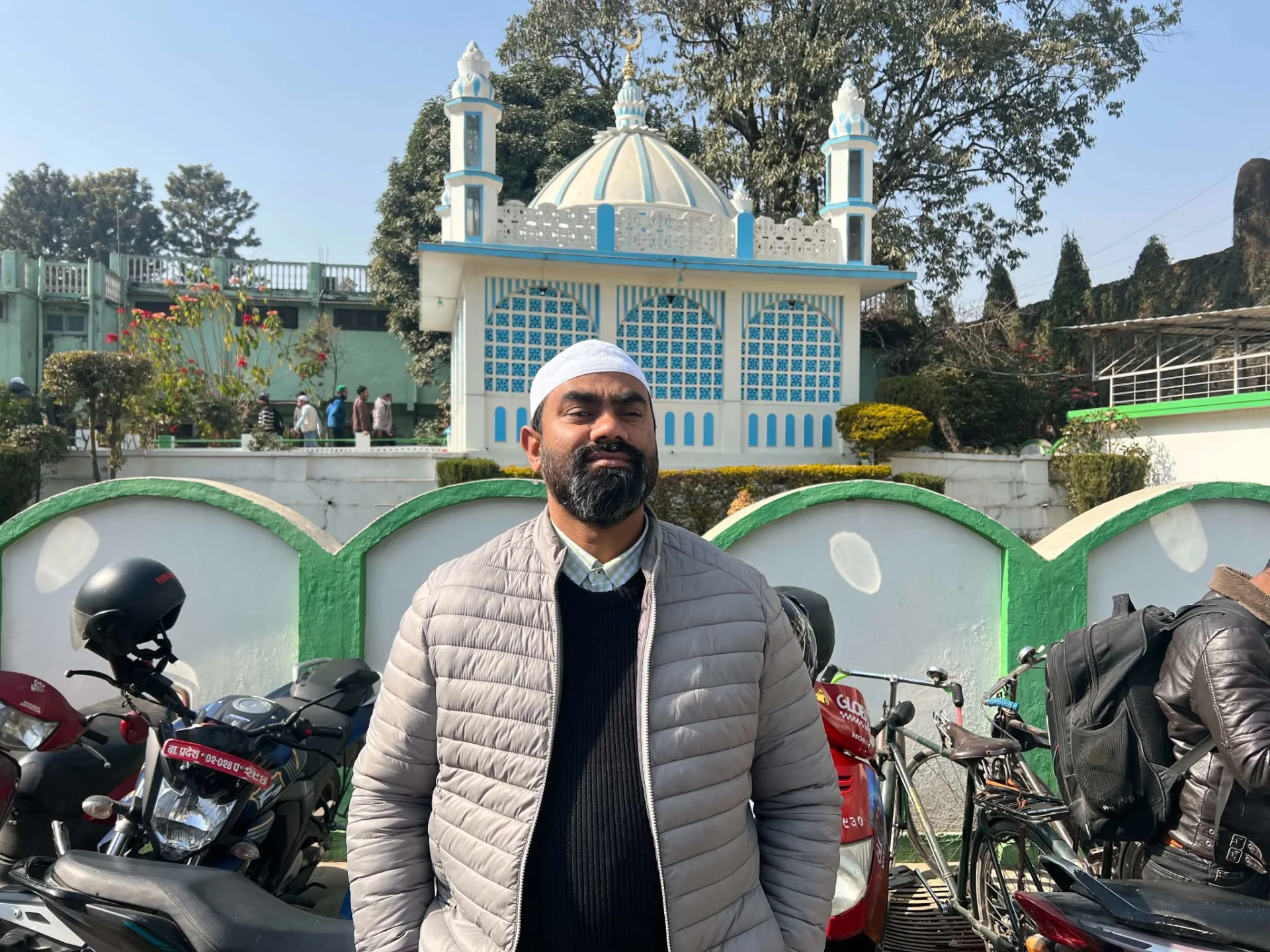

Dr. Abulhusen Ansari – In recent days, one question has repeatedly crossed my mind: why does the state continue to so blatantly overlook Nepal’s Muslim population, which accounts for approximately 5.9 per cent of the country’s total population?
The political establishment has a long-standing habit of visiting Muslim neighbourhoods during elections, seeking votes and making grand promises in the name of inclusion and representation, only to fail to translate those promises into meaningful action. However, the neglect appears even more striking under the current government led by the Rastriya Swatantra Party (RSP).
There is currently no representation of the Muslim community in the Council of Ministers. Nor is there any Muslim representation among the ambassadors recommended by the government for 13 countries. This raises a fundamental question: are we regarded merely as a vote bank?
Countries such as Malaysia and Saudi Arabia are particularly important for Nepal. Hundreds of thousands of Nepalis are working in these Muslim-majority countries, contributing significantly to Nepal’s economy through employment and remittances. It would therefore be both appropriate and meaningful to see qualified, competent and capable individuals from Nepal’s Muslim community representing the country in such strategically important destinations.
This is not simply a technical oversight in appointments. It raises a serious question about the state’s broader approach, priorities and commitment to inclusive representation.
Even in institutions directly connected with the Muslim community, such as the Muslim Commission and the Hajj Committee, the concerns, aspirations and genuine representation of the community often appear to have been overlooked. Yet the same authorities continue to describe their governance as inclusive. What greater irony could there be in the name of inclusion?
Political promises and speeches may continue to emphasise inclusion, but representation in actual government decisions remains deeply inadequate. Ensuring the constitutional rights of citizens and upholding the spirit of proportional and inclusive representation should not be treated as political slogans. These principles must be reflected in the composition of the state and in its decision-making processes.
The Muslim community does not seek special treatment. It seeks equal dignity, equal opportunity and meaningful participation in the affairs of the state. Representation should not depend merely on electoral calculations; it should be recognised as an essential component of an inclusive democracy.
The government must therefore ensure fair and dignified representation of the Muslim community across all organs and decision-making structures of the state. Inclusion must move beyond speeches and documents and become visible in government appointments, policies and actions.
If such continued neglect persists, the Muslim community cannot be expected to remain silent indefinitely.