ICRC Warns of Deepening Global Humanitarian Crisis as Armed Conflicts Reach 130 Worldwide
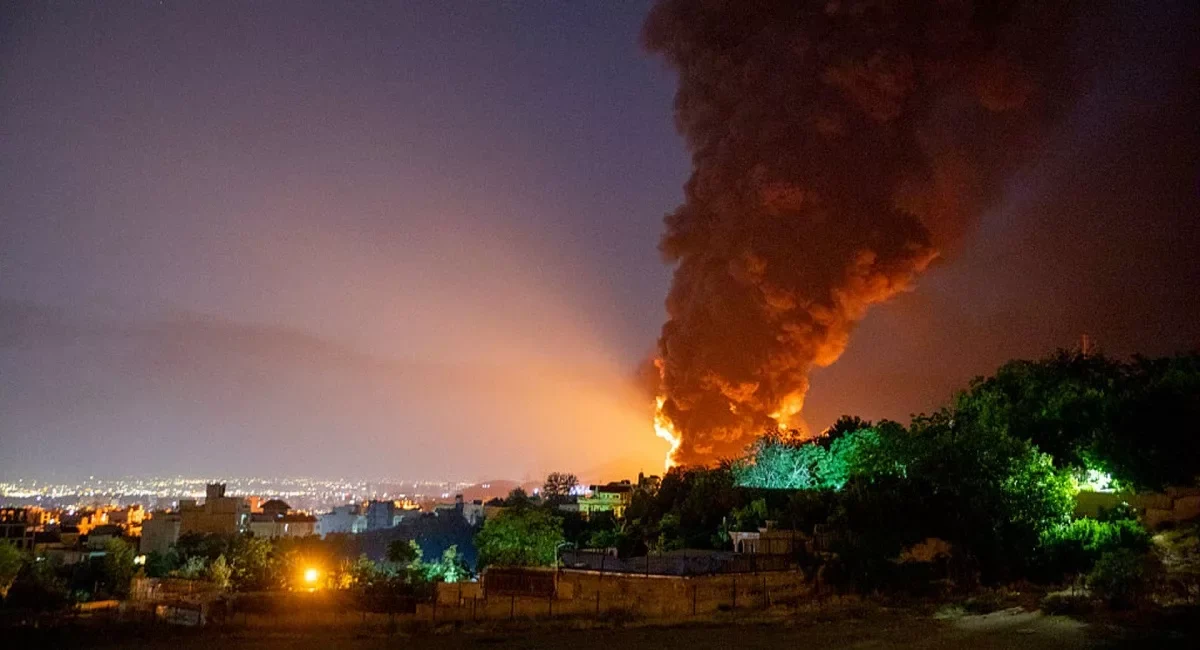

GNN, The world is facing an increasingly volatile security environment as armed conflicts multiply, civilian suffering intensifies and international humanitarian law comes under mounting pressure, according to the International Committee of the Red Cross (ICRC). The organisation estimates that approximately 130 armed conflicts are now taking place worldwide, more than twice the number recorded around 15 years ago. Its president, Mirjana Spoljaric, has warned that the scale of contemporary warfare is approaching levels not seen since the Second World War.
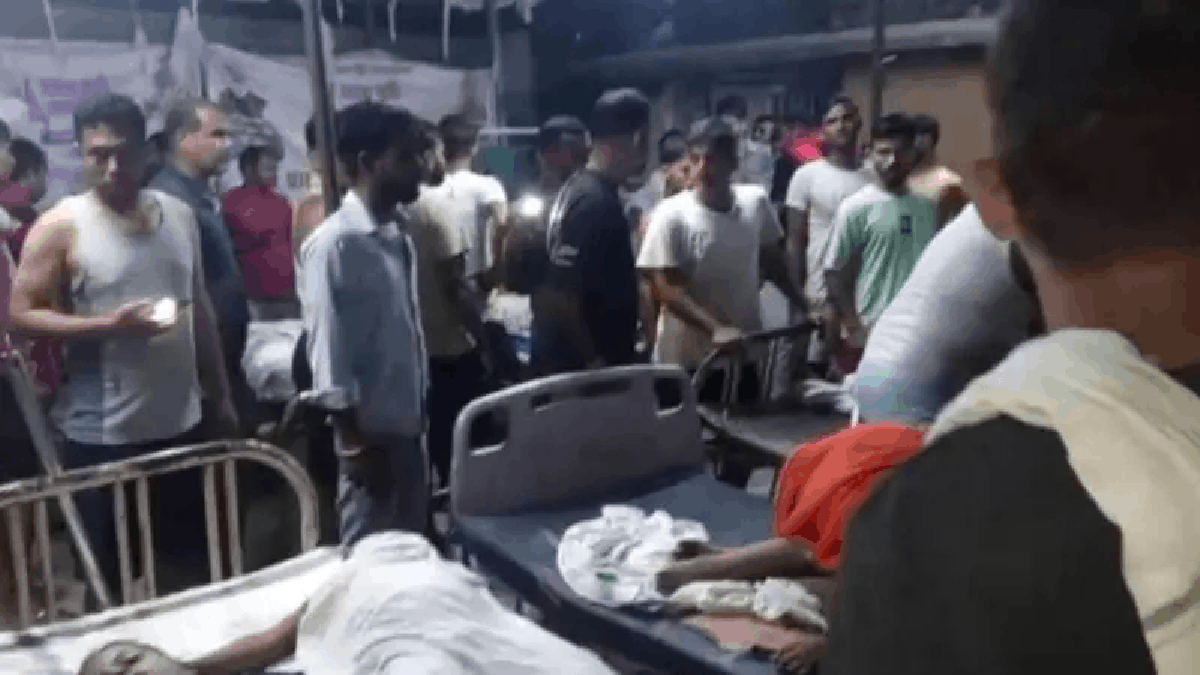
Spoljaric has called on political leaders to renew their commitment to protecting human life and upholding the rules governing warfare. The ICRC has raised concerns over the growing complexity of conflicts, repeated violations of humanitarian law and declining international attention to prolonged emergencies. Across conflict-affected regions, civilians continue to face displacement, food shortages, damaged infrastructure and limited access to healthcare, clean water and other essential services. Women, children and prisoners of war remain particularly vulnerable to violence and abuse.
Gaza’s Destruction Highlights Civilian Cost of War
The conflict between Israel and Hamas has left extensive destruction across the Gaza Strip, where large numbers of people have been displaced and humanitarian needs remain severe. Reports cited in the original account indicate that more than 80 per cent of buildings in Gaza have been destroyed or damaged. Overcrowded living conditions, inadequate shelter and shortages of essential supplies have further complicated the humanitarian response.
The ICRC continues to emphasise that all parties to an armed conflict must distinguish between civilians and combatants, protect civilian infrastructure and treat detainees humanely. Deliberate attacks against civilians, torture, pillage and other prohibited conduct can violate international humanitarian law. The organisation maintains that compliance with these obligations is essential regardless of the circumstances or the identity of the parties involved.
Drone Strikes Sink Cargo Ship off Bulgaria
Maritime security in the Black Sea has come under renewed scrutiny following drone attacks on two commercial vessels near Bulgaria on October 13. Bulgarian authorities said one ship sank, leaving 11 crew members missing, while five people were rescued. The second vessel, the Malta-flagged Chelsea 3, was struck by three drones, but all 15 members of its crew were rescued.
The sinking was initially reported under differing vessel names. Subsequent reporting by international news agencies identified the sunken ship as the HS Dignity, a Guinea-Bissau-flagged cargo vessel. Bulgarian Prime Minister Rumen Radev condemned the attacks and called for stronger maritime surveillance and international cooperation. Russian involvement had not been conclusively established in the available reports, although the incident prompted diplomatic concern over the spillover of the Russia–Ukraine war into commercial shipping routes.
Yemen Escalation Raises Red Sea Security Concerns
Yemen remains another source of regional instability, with renewed air strikes reported in areas controlled by the Houthi movement. According to the Houthi-run Al-Masirah television network, attacks targeted Kamaran Island in the Red Sea and the Kanawis district in Hodeidah governorate. The broadcaster attributed the strikes to Saudi Arabia, although that allegation had not been independently established in the information provided.
The latest developments underscore the risks facing civilians and maritime commerce in and around the Red Sea, a strategically important corridor for international trade. Continued military escalation could further complicate humanitarian operations and threaten shipping through routes connecting the region to major global markets.
Security Concerns Disrupt Flights to Saudi Arabia
The deteriorating security situation in Saudi Arabia has also affected air travel. Indian carriers, including IndiGo and Air India, announced flight suspensions following reports of attacks and security concerns around Riyadh. Earlier announcements in October also included temporary suspensions by Air India Express. The precise routes and duration of cancellations have varied across airline updates.
Indian authorities have urged nationals living in Saudi Arabia to remain vigilant, follow local safety instructions and seek secure indoor locations during aerial attacks. Reports published this month described casualties and injuries following an attack involving Riyadh’s King Khalid International Airport. The developments have heightened concern among foreign residents and travellers, while airlines continue to assess operational risks.
International Action Needed to Protect Civilians
The crises unfolding in the Middle East, Ukraine and other conflict-affected regions demonstrate how warfare can undermine civilian safety, disrupt food supplies and damage essential infrastructure far beyond the immediate battlefield. The growing use of drones and other advanced weapons has added further challenges for governments and humanitarian organisations attempting to protect vulnerable populations.
The ICRC’s warning places renewed emphasis on diplomacy, conflict prevention and respect for international humanitarian law. While emergency assistance remains vital for people displaced or injured by fighting, lasting improvements will depend on political efforts to reduce hostilities and secure humanitarian access.
The central challenge for the international community is no longer simply the number of conflicts, but the mounting human cost of prolonged violence and the weakening of safeguards intended to limit suffering during war. Without stronger international cooperation and meaningful accountability for violations, the humanitarian consequences are likely to deepen.